Direct to Film Printer: The Only Guide You’ll Ever Need
Thinking about investing in a direct to film printer but feeling overwhelmed by technical jargon and conflicting advice? You’re not alone. Many creators and small business owners jump into the world of custom printing only to face confusion, wasted materials, and underwhelming results. Whether you’re stuck choosing the right model, unsure how to optimize your workflow, or just tired of trial-and-error, this guide is for you. We’ll break down the entire DTF process—from the basics to advanced tips—so you can finally print with confidence, save time, and unlock the full potential of your designs.
What's a direct to film printer?
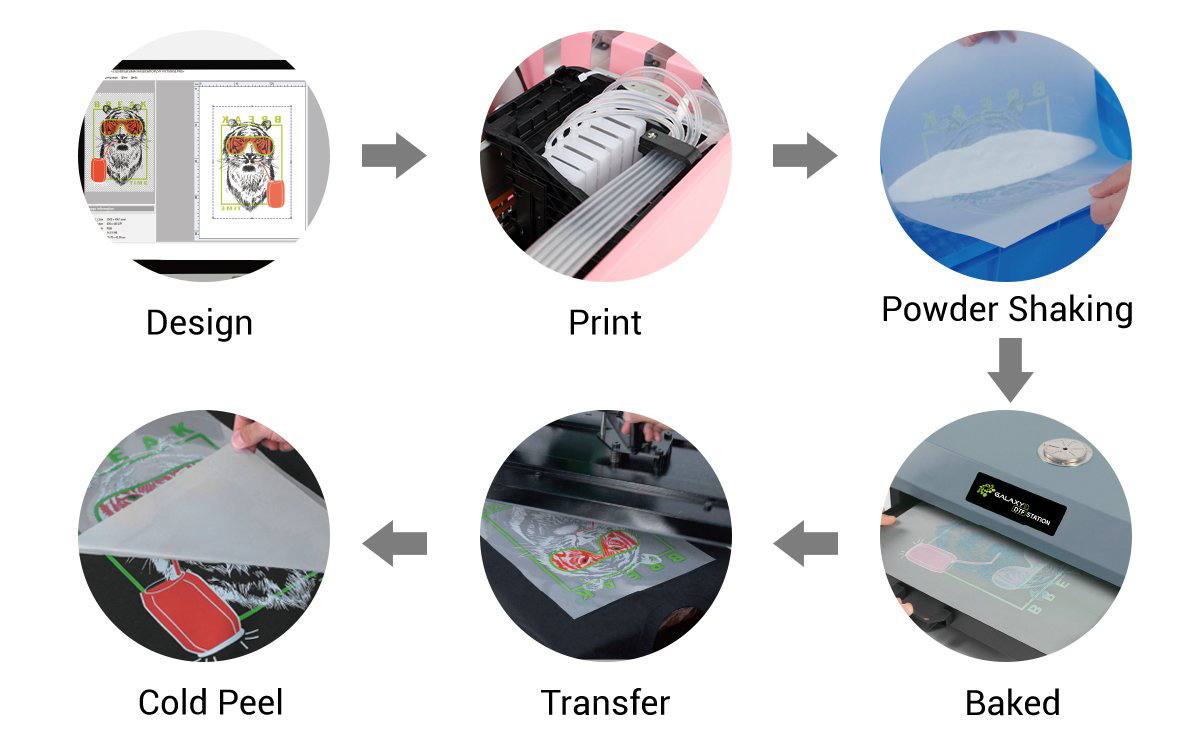
A direct to film printer is part of a modern digital printing process known as DTF, which involves printing a design onto PET film and then transferring it to garments or other substrates using a heat press. Unlike DTG printing, which prints directly onto fabric, a direct to film printer allows for more material flexibility, vibrant color output, and sharper detail. This method offers several advantages over traditional techniques, making it a top choice for many custom printing businesses today. The full DTF workflow typically includes these key steps:
- design creation
- printing the design
- applying powder
- curing the print
- heat pressing
- peeling the film
What are compatible fabrics for DTF printing?
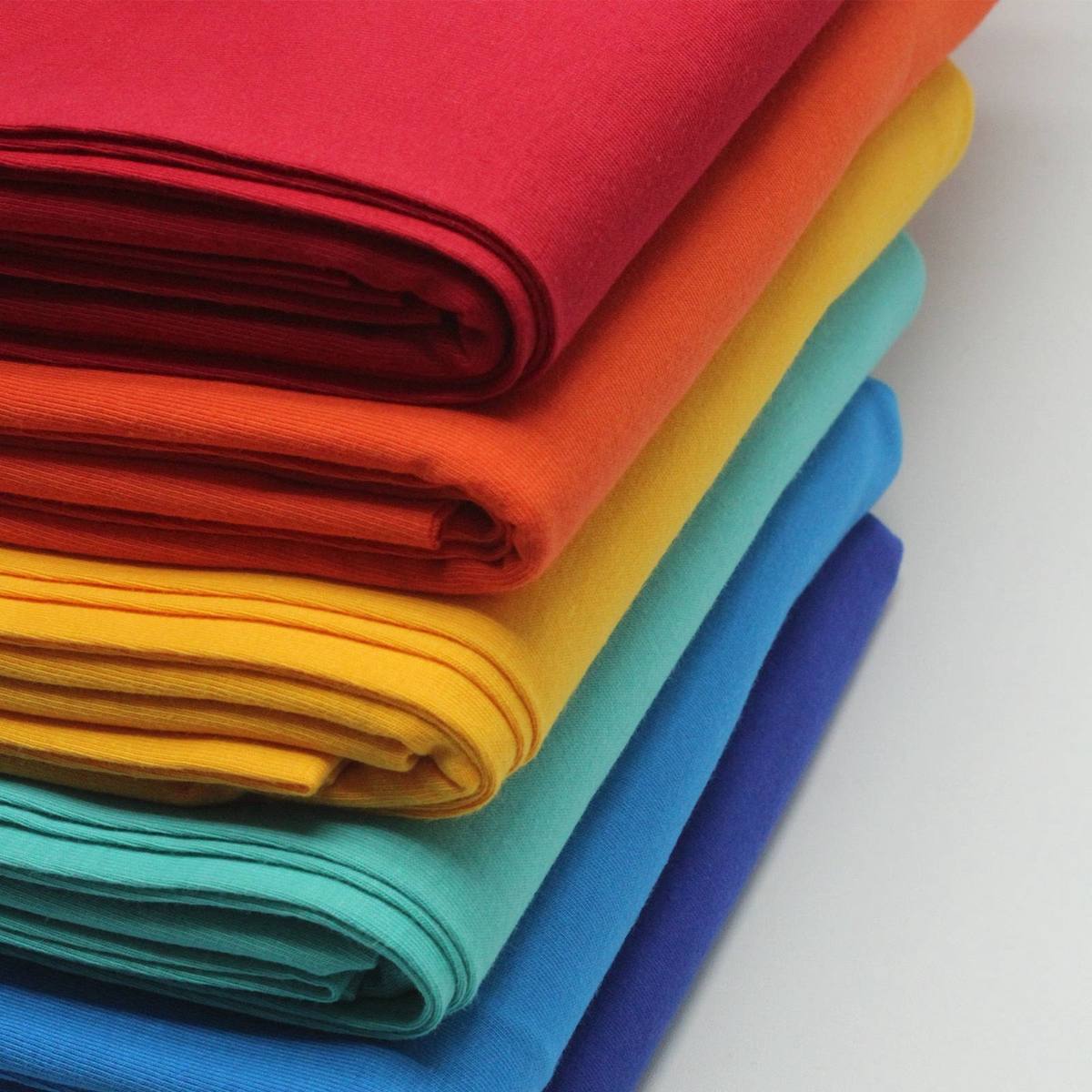
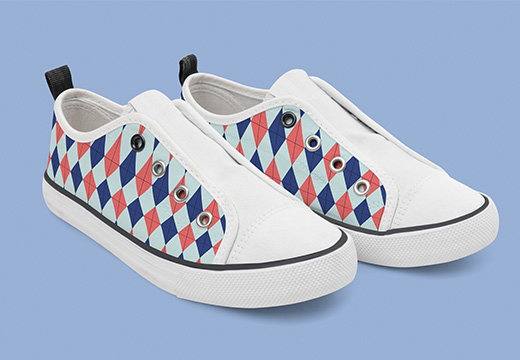
A major advantage of a direct to film printer is its ability to print on almost all fabric types—cotton, polyester, blends, nylon, spandex, and more—making it highly versatile for fashion and promotional uses. Following are some popular projects that work well with DTF Printing
- Custom t-shirts (cotton, polyester, blends)
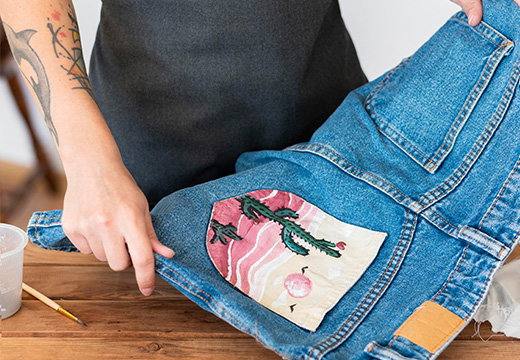
- Hoodies and sweatshirts
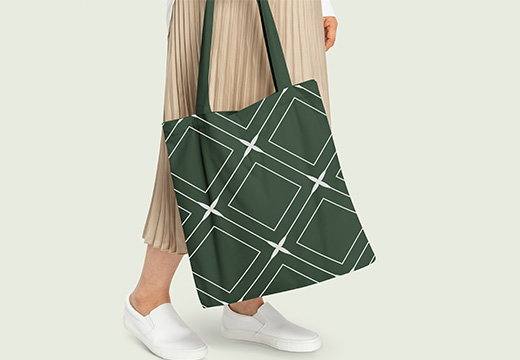
- Tote bags and canvas bags
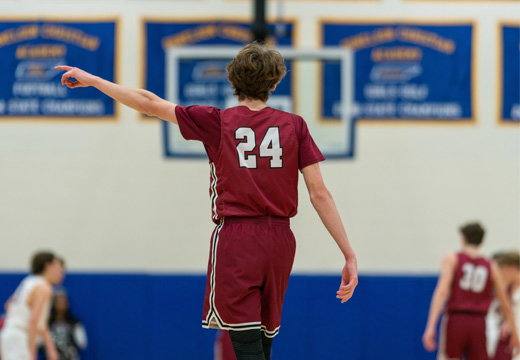
- Sportswear and team jerseys
- Aprons and workwear
- Pillowcases and home textiles
- Pet clothing and accessories
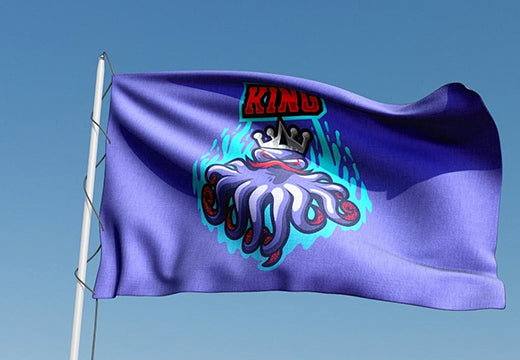
- Event or brand merch (like hats, flags, and banners)
 Polyester
 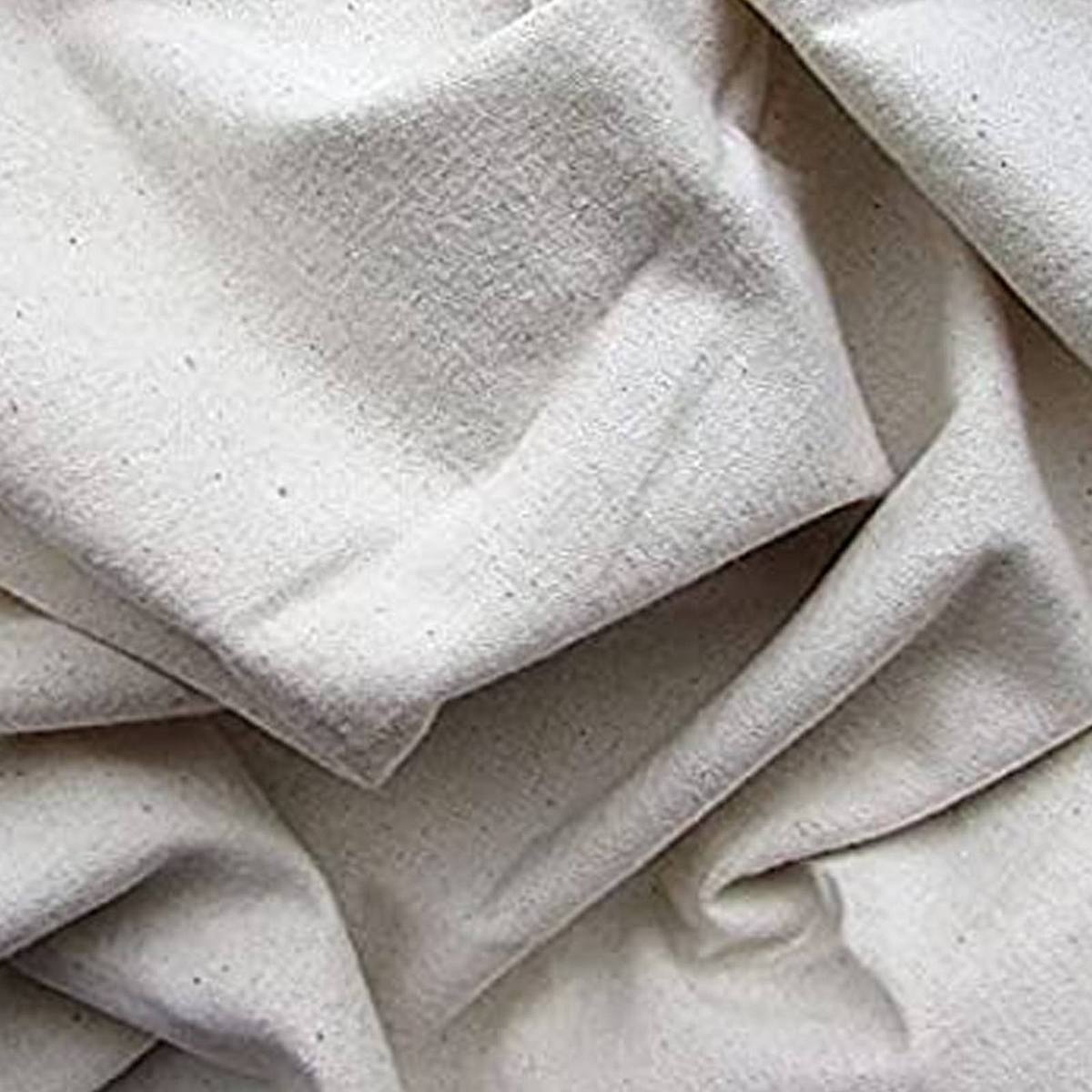 Cotton
 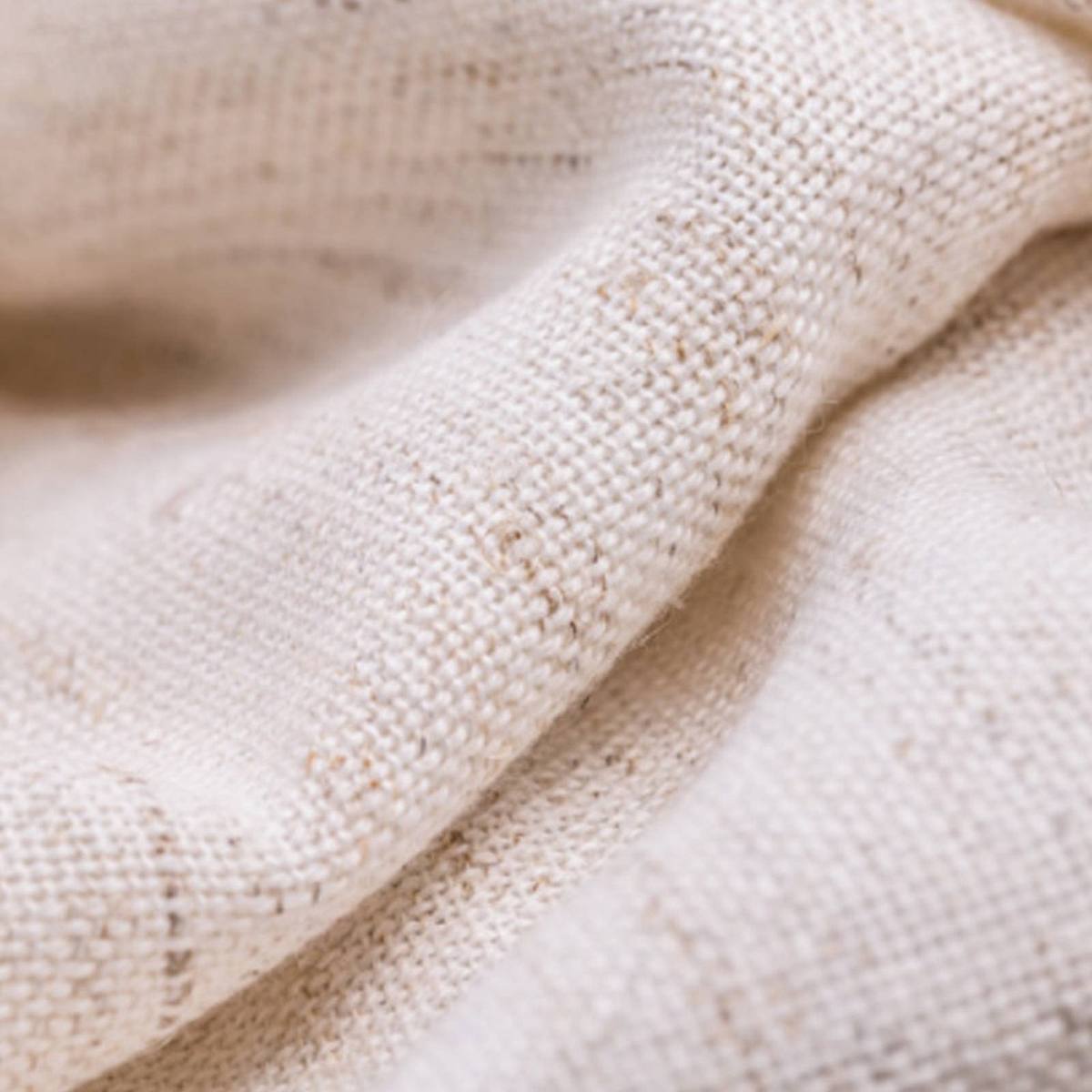 Canvas
 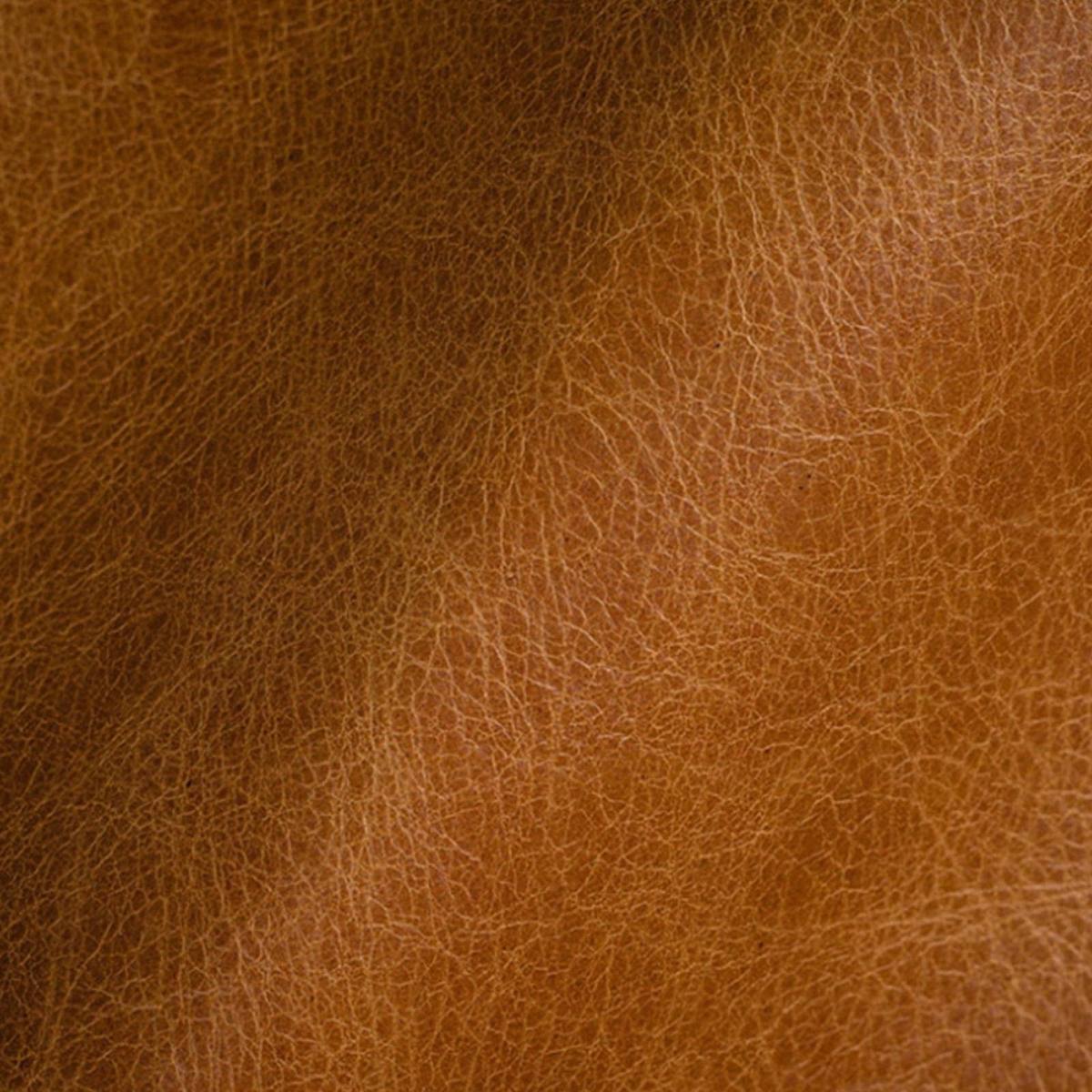 Leather
 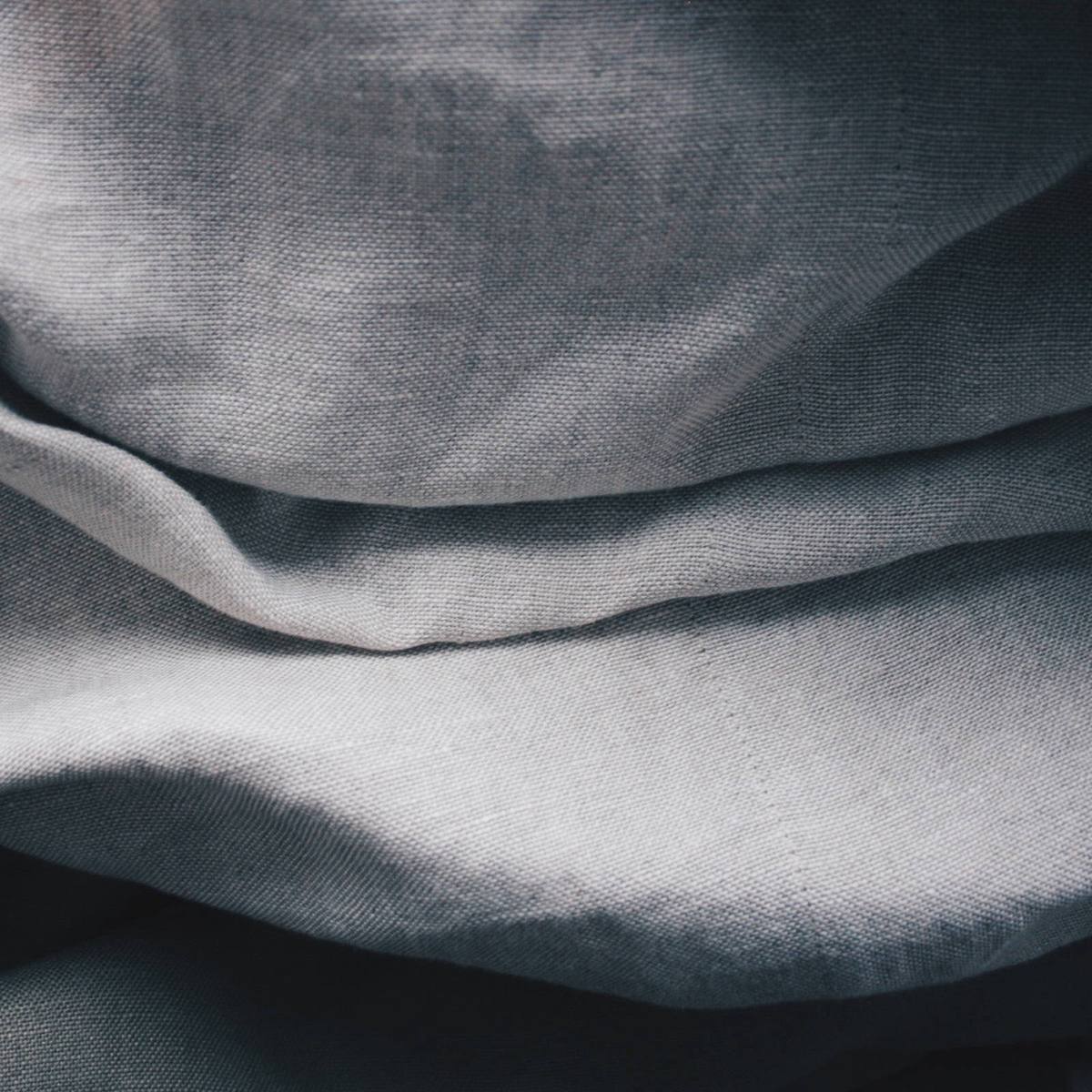 Rayon
Rayon 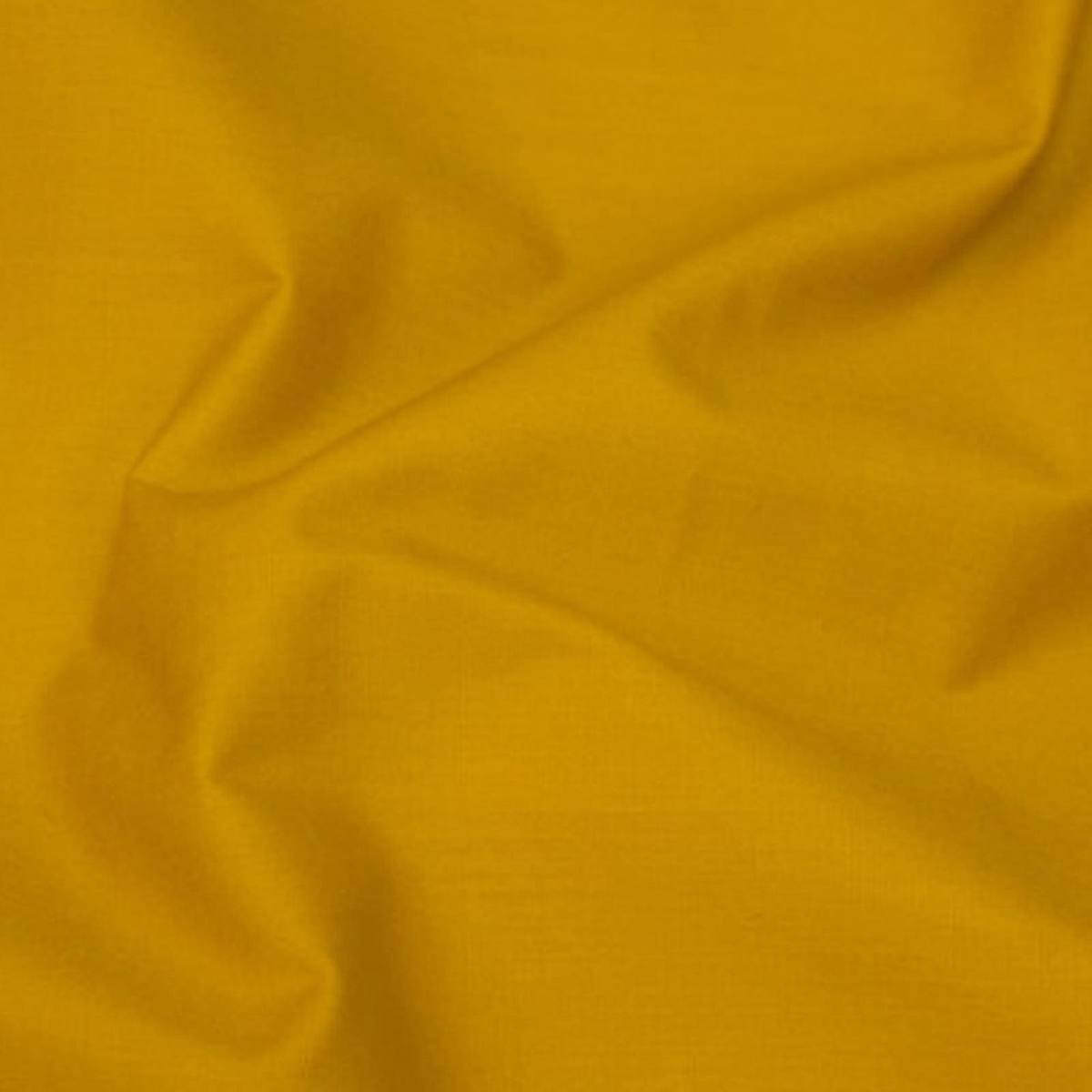 Windbreaker
 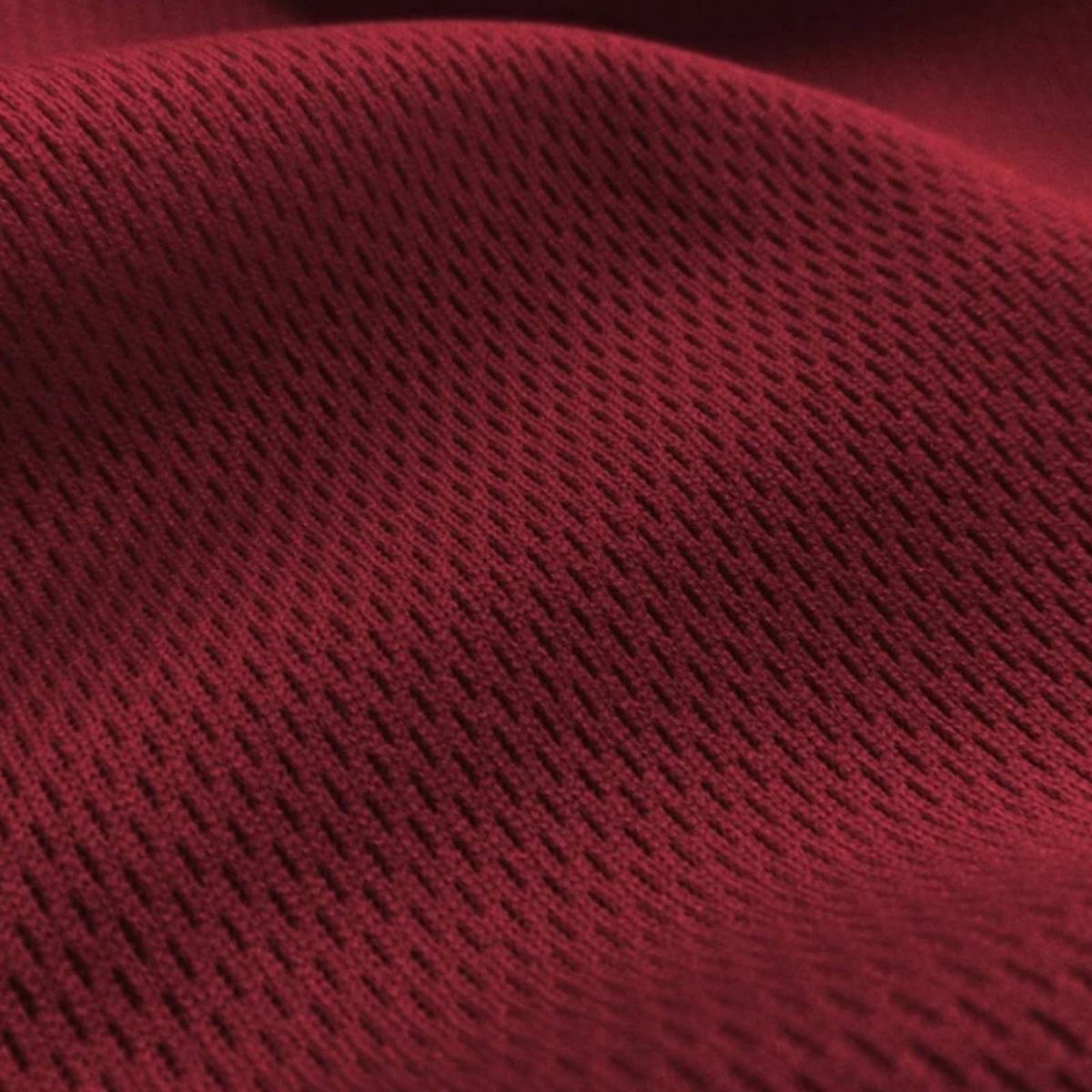 Dri-Fit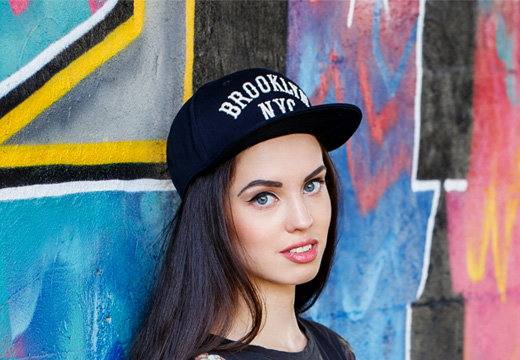


What are the advantages of DTF printing?
- Versatility on Materials
- Photo-realistic Details
- Cost Effective
- Production Speed
- Easy to Apply
DTF VS DTG
- DTF with no fabric limites
- DTF requires no pretreatment
- DTF provide more design options
- DTF multiplies productivity by many ways
DTF VS Sublimation
- Sublimation not suitable for dark-colored fabric
- Sublimation print only on Polyester fabric
- DTF generates more vibrant color with white layer background.
DTF VS Vinyl
- DTF require no weeding
- DTF requires no cutting
- DTF can print full color image
- DTF Logo printing is more efficient
DTF VS Screen Printing
- DTF more vibrant color & better details
- DTF with greater substrate versatility
- DTF allows for faster production & more color options for small orders
- DTF requires less equipment & costs
What you need to start DTF printing?
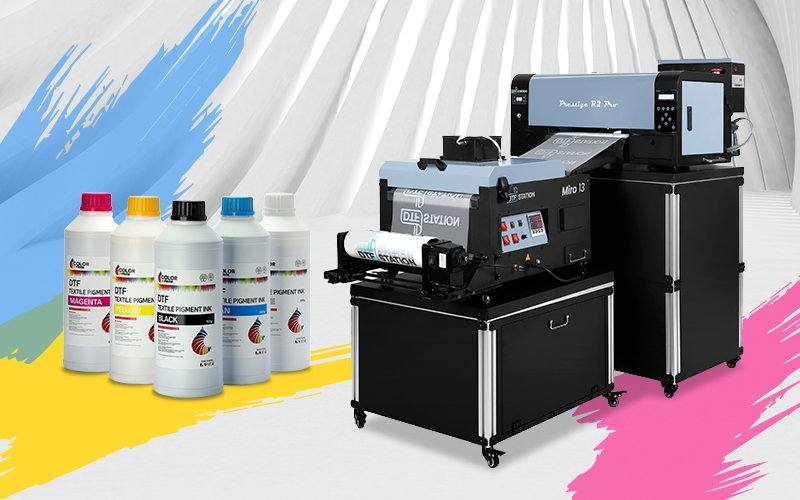
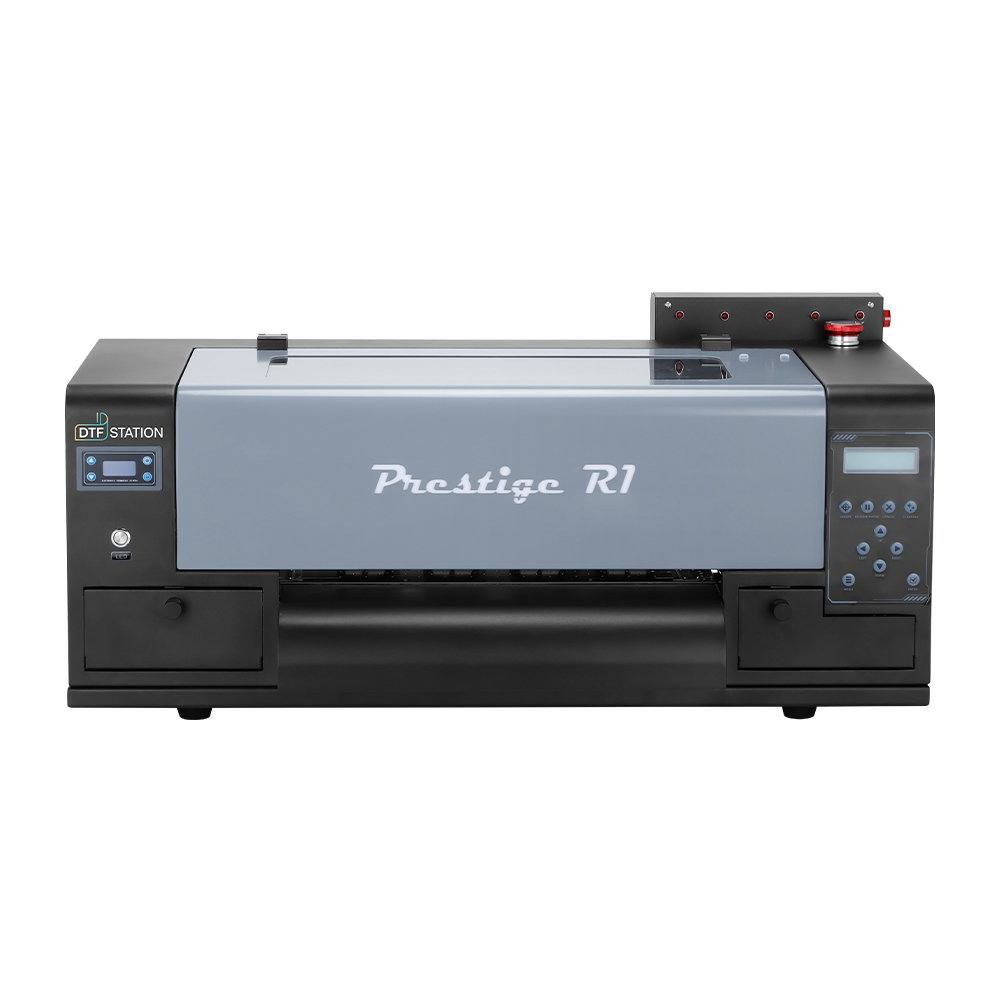 Direct to Film Printers
 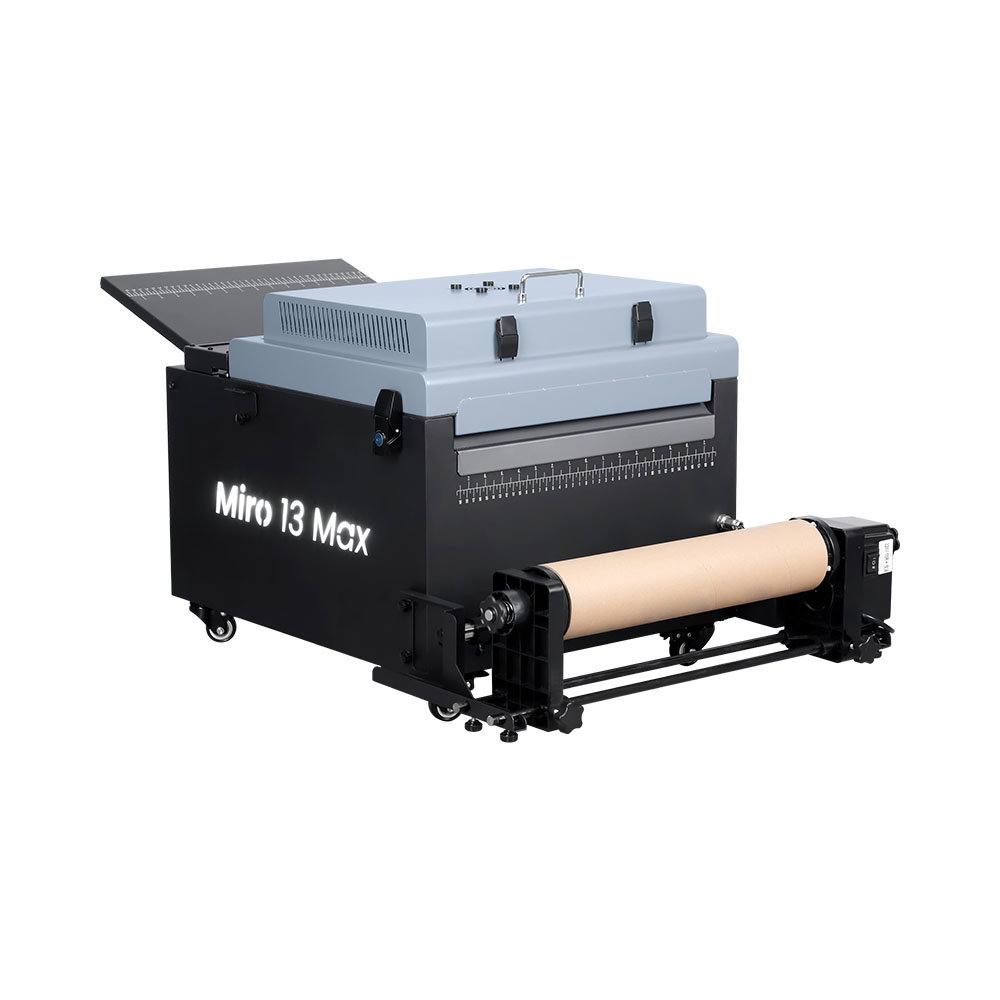 Powder Shakers
 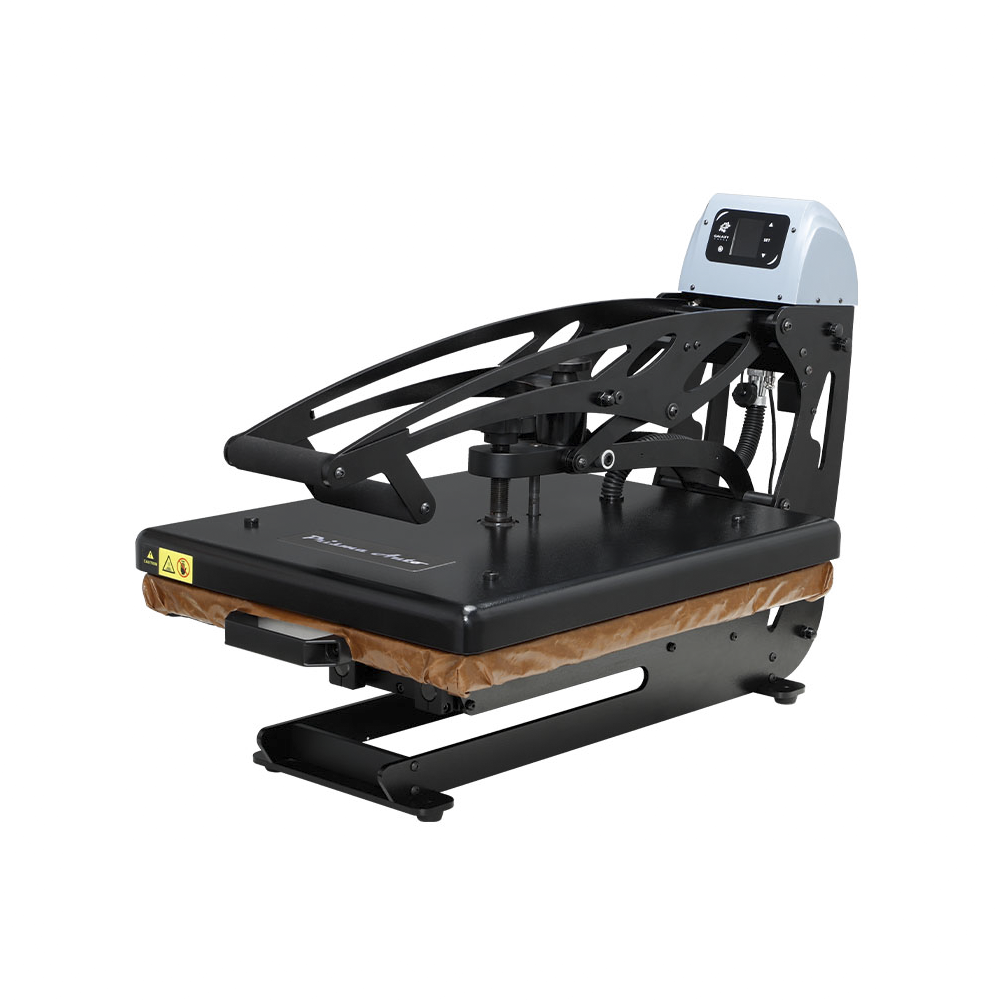 Heat Press Machine
 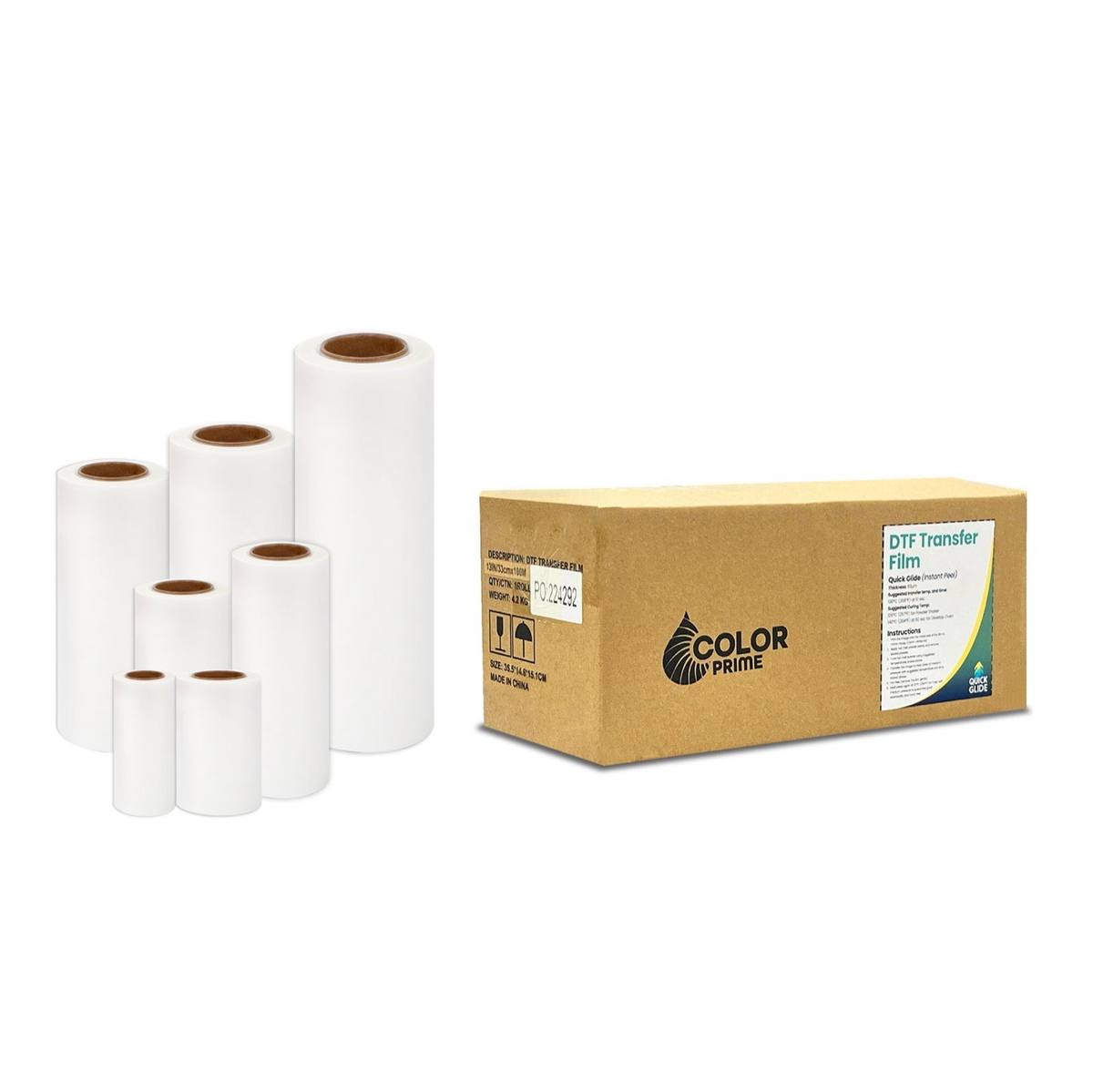 DTF Film
 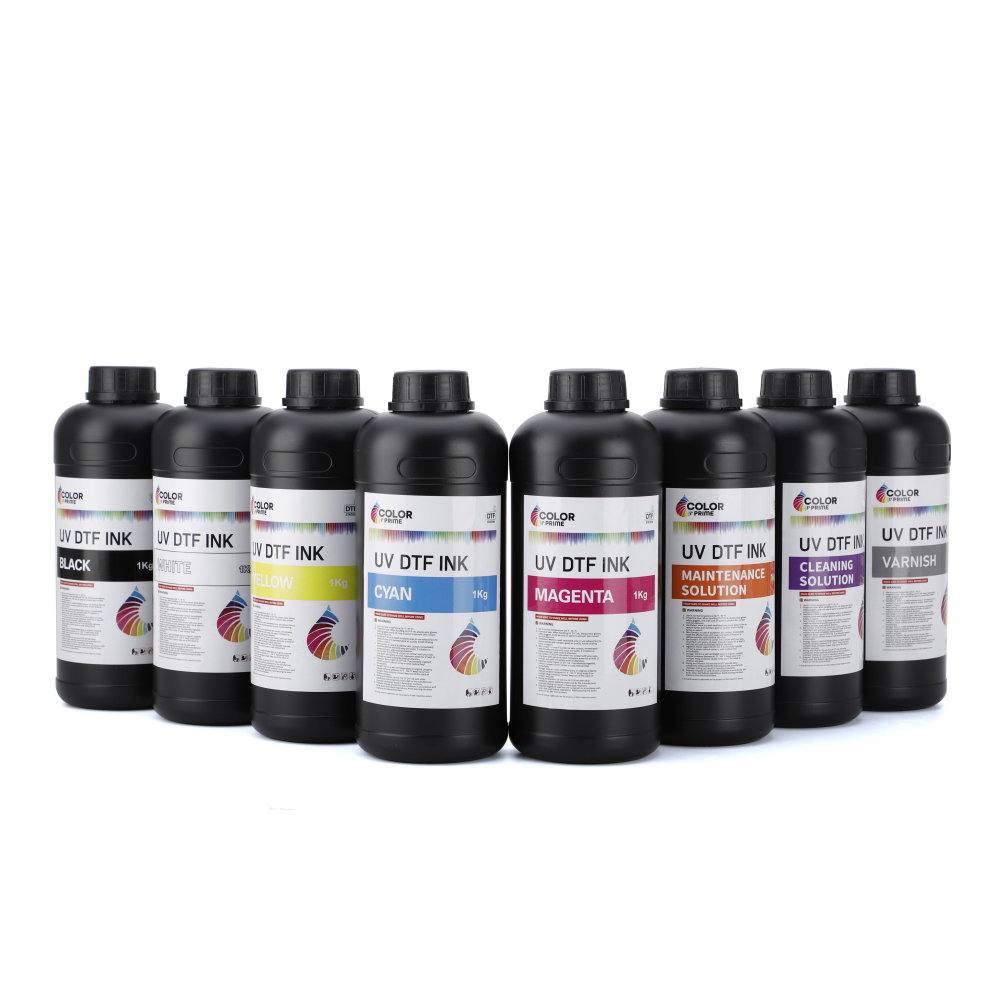 DTF Ink
 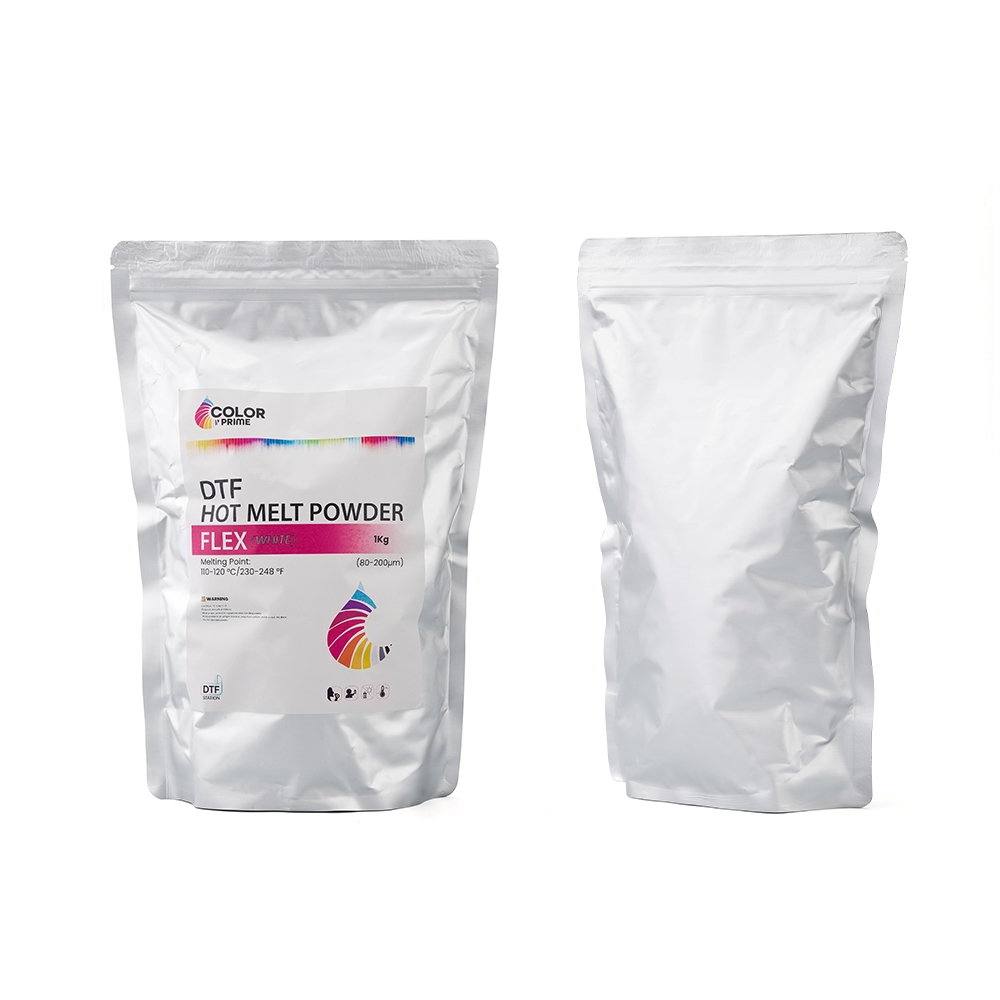 Direct to Film Printer
  Rip Software
 Choosing The Right Direct to Film Printers That Fit Your Workflow
| Model | Prestige R1 | Prestige R2 Pro | Prestige L2 | Prestige XL2 | Prestige XL2 Pro | Prestige XL3 | Prestige XL4 | Prestige X6 |
|---|---|---|---|---|---|---|---|---|
| Photo |  |  | 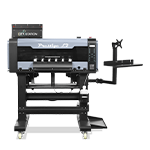 | 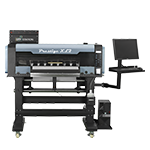 | 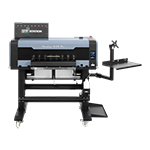 | 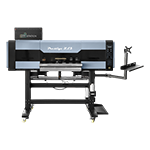 |  | 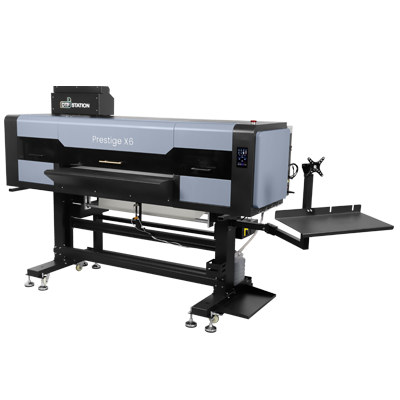 |
| Max. Printing Width | 33cm (13″) | 33cm (13″) | 45 cm (17.7″) | 60cm ( 23.62″) | 60cm ( 23.62″) | 60cm ( 23.62″) | 60cm ( 23.62″) | 90 cm (35.43″) |
| Printing Speed | 8Pass 720x1080dpi 0.97m²/h (10.44 ft²/h); 10Pass 720x1440dpi 0.73m²/h(7.86ft²/h); | 8Pass 700*1200DPI 4.04m2/h (43.49ft²/h); 12Pass 720*1800DPI 2.06m2/h (22.17ft²/h) | 6Pass, 720*1800dpi, 6.5m²/h (70.0ft²/h); 8Pass, 720*2400dpi, 5.0m²/h (53.8ft²/h) | 6Pass, 720*1800dpi, 7.7m²/h (82.9ft²/h); 8Pass, 720*2400dpi, 6.0m²/h (64.2ft²/h) | 8Pass, 720 x1200dpi, 4.8m²/h (51.67ft²/h); 12Pass, 720 x 1800dpi, 4.2m²/h (45.2ft²/h) | 6Pass 720*1800dpi 6.6m²/h (71.0ft²/h); 8Pass 720*2400dpi 6.3m²/h (67.5ft²/h) | 6Pass, 720*1800dpi, 13.9m²/h (149.1ft²/h); 8Pass 720*2400dpi 12.0m²/h (128.6ft²/h) | 6 Pass 720×1800 dpi: 16.7 m²/h (180 ft²/h) 8 Pass 720×2400 dpi: 12.6 m²/h (133.6 ft²/h) |
| Net Weight (kg) | 39.5 kg (87.1 lb) | 59 kg (130.1 lb) | 132 kg (291.0 lb) | 135 kg (297.6 lb) | 135 kg (297.6 lb) | 202 kg (445.0 lb) | 202 kg (445.0 lb) | 285 kg (628 lbs) |
| Main Board & Printer Head | DTF STATION PILOT/ Single EPSON F1080 | DTF STATION PILOT/ Dual EPSON i1600 | DTF STATION PILOT/ Dual Epson I3200 | DTF STATION PILOT/ Dual Epson I3200 | DTF STATION PILOT/ Epson i3200HD*1 + i1600*1 | DTF STATION PILOT/ Epson i3200x3 | DTF STATION PILOT/ Epson i3200x4 | DTF STATION PILOT/ Epson i3200A1 x6 |
| Daily Output Based on 28cmx34cm (11″x13″) gang sheet, 8 working hours | 81pcs (720x1080dpi); 61pcs (720x1440dpi). | 367pcs (720x1200dpi) ; 236pcs (720x1800dpi). | 463pcs (720x1800dpi); 409pcs (720x2400dpi). | 621pcs (720x1800dpi); 536pcs (720x2400dpi) | 545pcs (720 x1200dpi) ; 376pcs (720 x1800dpi). | 571pcs (720x1800dpi); 536pcs (720x2400dpi). | 1104pcs (720x1800dpi); 953pcs (720x2400dpi). | 1,440pcs (720x1800dpi); 1,152pcs (720*2400dpi ) |
| Size | Printer Size 85.0cm×63.8cm×44.0cm (33.5″L×25.1″D×17.3″H) Packing Size 94.5cm×60.5cm×45.5cm (37.2″l×23.8″D×17.9″H) | Printer Size 85.0cm×63.8cm×44.0cm (33.5″W × 25.1″D × 17.3″H) Packing Size 95.3cm×64.6cm×53.0cm (37.5″W × 25.5″D × 20.9″H) | Printer Size 116.0cm×75.0cm×141.6 cm (45.7″W × 29.5″D × 55.8″H) Packing Size 120cm×100cm×71.1cm (47.2″W × 39.4″D× 28.0″H) | Printer Size 166.0cm × 85.0cm×141.6cm (65.3″W × 33.5″D × 55.8″H) Packing Size 146.6cm×100cm×71.1cm (57.7″W × 39.4″D × 28.0″H) | Printer Size 165.95cm× 94.5cm×146.8cm (65.3″W × 37.2″D × 57.8″H) Packing Size 146.4cm×100.0cm × 71.1cm(57.7″W × 39.4″D × 28.0″H) | Printer Size 214.55cm× 107.0cm×165.3cm (84.5″W × 42.1″D × 65.1″H) Packing Size 210cm×110cm×74.2cm (82.7″W × 43.3″D × 29.2″H) | Printer Size 214.6cm×107.0cm×165.3cm (84.5″W × 42.1″D × 65.1″H) Packing Size 210cm×110cm×74.2 cm (82.7″W × 43.3″D × 29.2″H) | Printer Size 2530 × 1210 × 1610 mm (99.6″ × 47.6″ × 63.4″) Packing Size 280cm × 98cm × 83 cm (110.2″ × 38.6″ × 32.7″) |
Think Beyond the Printer: Business-Critical Considerations
Choosing the right direct to film printer is more than features and functions.
Here’s how DTF Station delivers reliability beyond the machine.
- Complete Customized Solution
Why we built our own complete DTF ecosystem?
Because when we control every step, you get prints that match—every single time.
- Prestige DTF Printer
- Miro & Seismo Powder Shaker
- Prisma Heat Press Machine
- Color Prime DTF Inks
- Quick Glide Instant Peel Film
- Custom ICC profiles
- Custom Rip Software
- Custom Waveforms
- Comprehensive Support System
Support That Powers Your Growth!
From onboarding to troubleshooting, a strong dealer and user support system is key to long-term DTF success.
- 700+ Tutorial Videos
- Dealer Portal
- Discord Tech Support Center
- Dealer Training Webinar
- User Online Training Program
Level Up Your Skills with Direct to Film Printer Pro Tips
From advanced techniques to troubleshooting hacks, explore expert-backed resources that help you get the most out of your direct to film printer.
DTF Color Correction: Your Guide to Perfect Color Reproduction
How to Print DTF on Black Shirt?
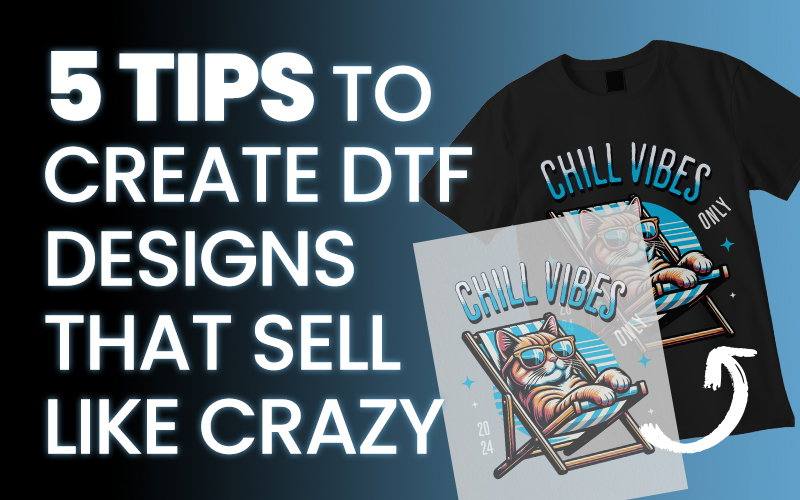
5 Tips to Create DTF Designs That Sell Like Crazy
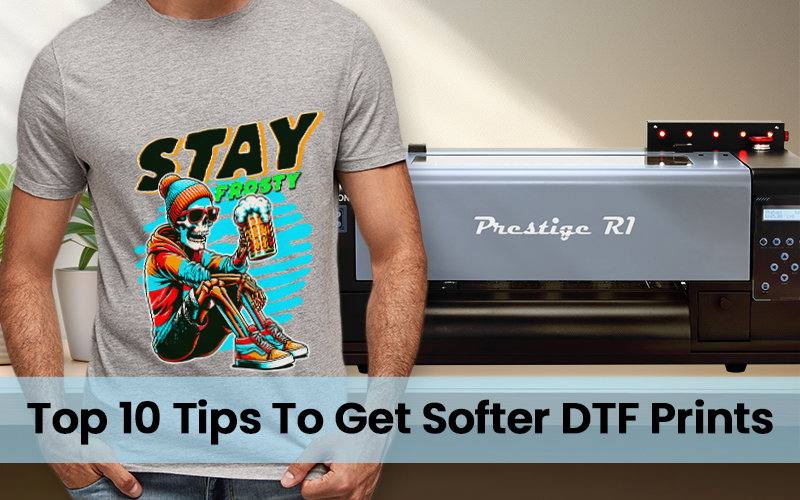
Unlock the Secret to Softer DTF Prints: Top 10 Tips for a Luxurious Feel
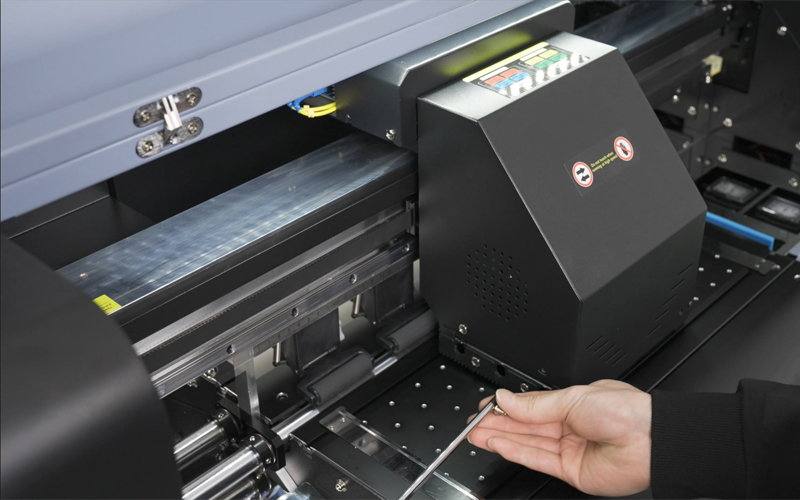
10 Proven Tips to Make Your DTF Printer Last Longer and Perform Better
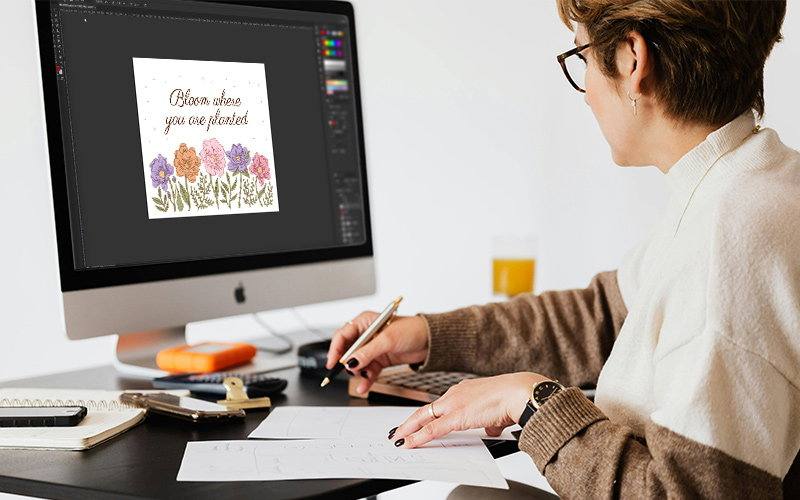
5 Ways To Download Free DTF Designs For Transfer Printing?
Cutting Costs: 10 Ways to Save DTF Ink Without Sacrificing Quality