
How to get rid of static electricity for DTF printers?
Is static electricity ruining your prints and costing you time, money, and quality? If you’re a printing business owner or an industrial player, you know how frustrating it can be when static electricity wreaks havoc on your DTF prints. It causes misaligned transfers, attracts dust, and even damages equipment. But the good news? It’s fixable.
Table of Contents
- What’s static electricity in printing?
- What causes static electricity?
- Why You Can’t Afford to Ignore Static Electricity in DTF Printing?
- How to get rid of static electricity in printing?
- Proper Heating
- Anti-static Brushes
- Decrease Sunction Force
- Environment Control
- Grounding Static Electricity
- Conclusion
In this post, I’ll share some proven methods for how to get rid of static electricity in DTF printing or other digital printing methods. You’ll learn simple, effective solutions to eliminate static, improve print quality, and save time and money.
What’s static electricity in printing?
According to Wikipedia, static electricity is an imbalance of electric charges within or on the surface of a material. The charge remains until it can move away by an electric current or electrical discharge. The word “static” is used to differentiate it from current electricity, where an electric charge flows through an electrical conductor.
What causes static electricity?
Here’s what’s really going on with static in your print shop: when materials rub together during high-speed printing – whether it’s film, garments, or machine parts – electrons jump from one surface to another like tiny thieves stealing your print quality.
Your shop is practically a static electricity factory, and these are the biggest trouble spots:
- Dry Work Environments: Moisture in the air normally helps dissipate static, but in dry conditions, those charges have nowhere to go. This makes everything from film to rollers more likely to generate static sparks.
- Film Feeding: When your film is fed into printers, the friction between film and rollers or printing flatbed builds up static like a battery charging up – humidity or not.
- Powder Application Zones: Static turns your powder application into a nightmare. Charged film makes powder clump unevenly, leaving those annoying bare spots in your designs.
- Synthetic Fabrics: That polyester or nylon coming in from storage? It’s already loaded with static from shipping and handling, ready to mess up your transfers.
Why You Can’t Afford to Ignore Static Electricity in DTF Printing?
static electricity isn’t just a minor annoyance – it’s the root cause of frustrating production issues that directly impact your bottom line. It would slow production, possible to damage printheads, leads to Quality Compromises or wasted money.
When static builds up in your DTF workflow, you’ll face:
- Fuzzy prints or shift prints
- Inconsistent powder adhesion creating patchy prints
- Excess powder sticking on the film
- Misaligned transfers from film sticking prematurely
- Dust and debris ruining otherwise perfect transfers
These problems translate to wasted materials, rework, and unhappy customers – making static control essential rather than optional for any serious printing operation.
How to get rid of static electricity in printing?
While static electricity remains a common and impactful issue in printing, both manufacturers and users have developed effective solutions to mitigate its negative effects. Below are some of the most popular and successful methods for eliminating static electricity in printing operations.
Proper Heating
Heating offers one effective solution for static removal. By properly heating materials, we reduce surface resistance, minimize friction, disperse static charges, and disrupt the electron transfer process that generates static electricity. This is why DTF Station printers incorporate both front and rear preheating zones with aluminium foil paper inside – to significantly reduce static buildup before materials reach the printing bed or powder application stage.
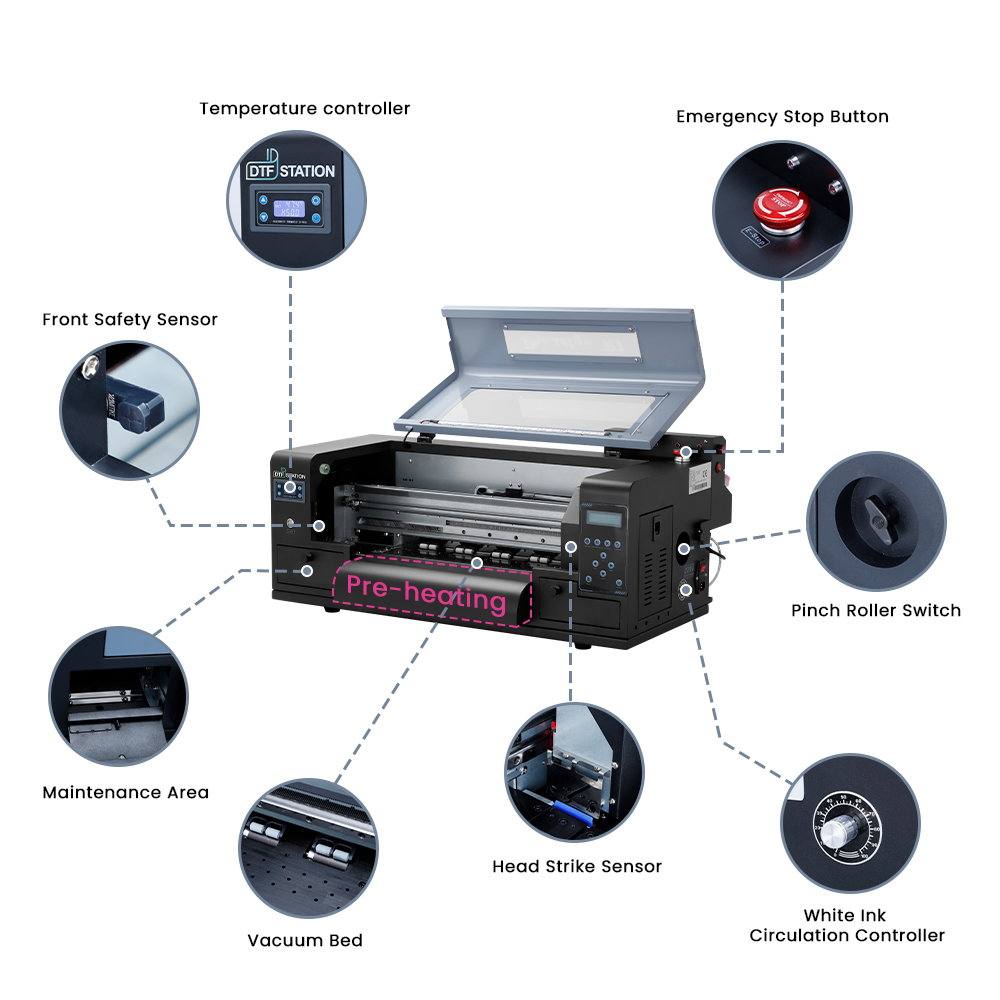 Get Rid of Static Electricity with Proper Heating System
 Anti-static Brushes
Anti-static brushes are another tool commonly used in the electronics field to prevent the build-up of static electricity on the surfaces of electronic devices. Such brushes usually have tips made of conductive materials – such as carbon fiber or plastic, which allows them to effectively dissipate static electricity from the surface of devices.
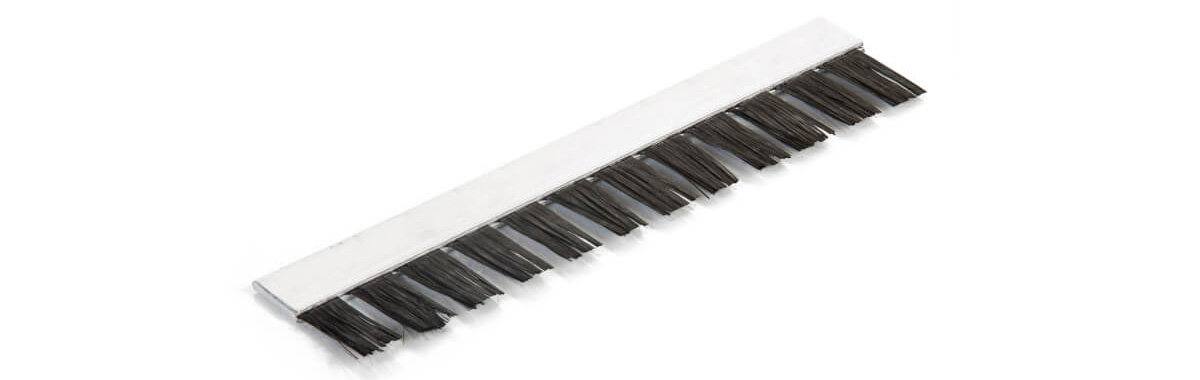 Anti-staic Brushes
 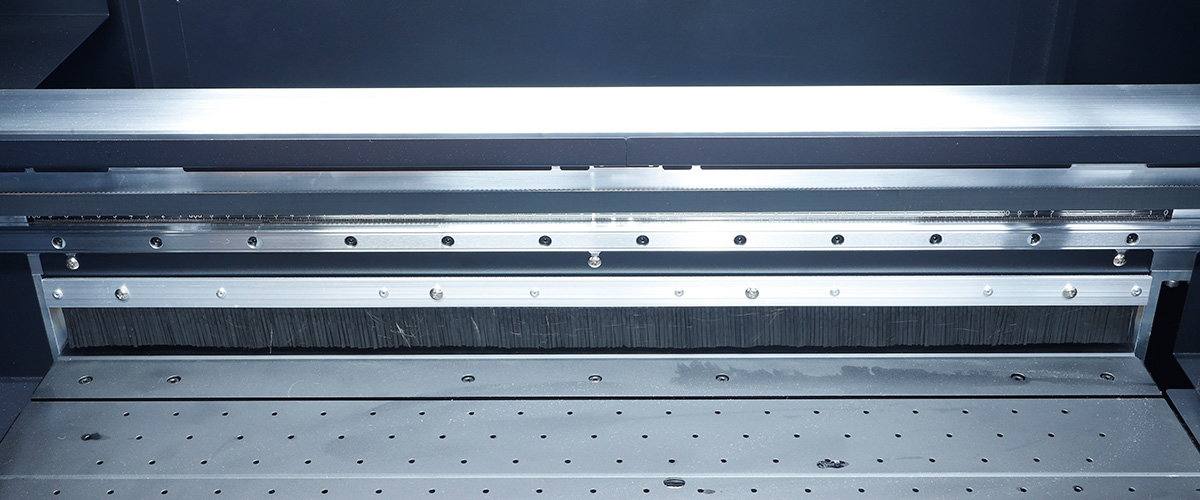 Printer Anti-static Brush to Remove Static Electricity
 Decrease Sunction Force
If your printer lacks heating or anti-static brush settings, you can still minimize static electricity by adjusting the suction force level. Printers typically use a suction bed to ensure the film lies flat and remains stable during printing, preventing film lifting and ensuring print quality. However, if the suction force is set too high, it increases friction between the film and the printing bed—potentially worsening static buildup. If you’re experiencing static issues, try slightly reducing the suction force to lower friction and static interference.
Environment Control
For businesses with controlled environments, maintaining optimal printer and film conditions is the simplest and most effective solution. The ideal settings are 40-60% RH (Relative Humidity) at 20-25°C (68-77°F). Additional static-reduction measures include:
- Storing films in anti-static bags before printing
- Avoiding rapid unwinding of rolls to minimize friction-based static
Grounding Static Electricity
While controlling your printing environment addresses most static issues, some stubborn charges may still remain. This is where proper grounding comes in – it provides stray electrons a safe discharge path, preventing random static shocks, dust attraction to prints and equipment interference.
Some printers include grounding wires, while others require manual grounding by connecting the printer frame to a wire and placing the other end either on the ground or in saltwater to create a low-resistance discharge path.
Conclusion
Static electricity in DTF printing isn’t just a nuisance—it can ruin prints, damage equipment, and waste materials. By understanding its causes and implementing solutions like proper heating, anti-static brushes, or grounding tools, you can ensure smooth, high-quality results every time. How to get rid of static electricity is no longer a mystery. Why not try one of these methods and say goodbye to static for good? Found this guide helpful? Share it on LinkedIn or with your network to help others tackle static issues effortlessly.