
DTF Transfers: Buy or Print? A Quick Guide for Apparel Business Owners
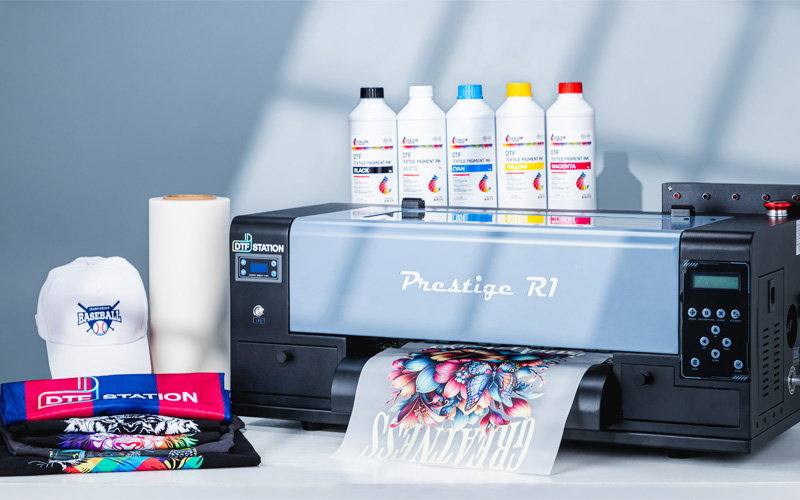
As DTF (Direct to Film) printing continues to establish itself as a standard in the garment printing industry, DTF transfers have emerged as a highly effective option for print-on-demand businesses, particularly those focused on garment decoration. As an apparel business owner, you’re always looking for ways to boost efficiency, cut costs, and stay ahead of the competition. When it comes to DTF (Direct to Film) printing, one key question keeps popping up: should you buy ready-made DTF transfers or invest in printing them yourself? Each option has its pros and cons—and choosing the wrong one could mean wasted time, money, or missed sales opportunities. This quick guide is designed to help you make the smart choice based on your business size, production needs, and long-term goals. If you’re unsure which path to take, this post will save you hours of research—and possibly thousands in costly mistakes.
Table of Contents
- How to Decide: Key Considerations
- Order Volume & Frequency
- Upfront Investment
- Turnaround Time
- Design Flexibility & Customization
- Space
- Quality Control
- Cost Over Time
- Downtime
- DTF Transfers: Buy or Print?
- How does the comparison table work?
- Making the Right Choice for Your Business: When to Buy or Print Transfer?
- Conclusion
How to Decide: Key Considerations
When deciding whether to buy DTF transfers or print them yourself, there’s no one-size-fits-all answer. The right choice depends on several important factors that can impact your cost, efficiency, and ability to scale. Here are the key considerations to help you make the best decision for your apparel business.
Order Volume & Frequency
Order volume and frequency is one of the most important factors to consider. If you have low or inconsistent order volume, buying DTF transfers could be a more cost-effective option. However, if you receive consistent orders in high volume, the extra costs of outsourcing—such as shipping fees and your supplier’s markup—can start to eat into your potential profit margins.
Upfront Investment
Outsourcing DTF transfers requires no equipment investment, allowing startups to get started with virtually no barrier to entry. In contrast, printing DTF transfers in-house requires a full production setup. Depending on the solution you choose, the total cost can range from around $2,000 to over $10,000.
Turnaround Time
In the fast fashion industry, turnaround time is one of the most critical factors. Outsourcing DTF transfers adds extra shipping time, which can lead to delays for customers, missed trends, and lost orders during peak seasons. While these challenges can be avoided with strong planning and experience, a more straightforward solution may be to print transfers in-house.
Design Flexibility & Customization
In many cases, buying DTF transfers from suppliers means relying on common or bulk designs, which often leads to fierce competition and slim profit margins. Even if you have your own design team, making last-minute customizations can still be challenging. With in-house DTF printers, however, you can produce ready-to-transfer designs directly from your computer at any time—giving you a competitive edge and the opportunity to charge more for unique, personalized designs.
Space
If you’re sourcing transfers, you have the flexibility to purchase them only when you receive orders. However, to avoid delivery delays and improve customer satisfaction, you may still need to keep some fast-selling designs in stock—which means having storage space for transfer stacks or containers. On the other hand, a printing setup requires a dedicated workspace and proper ventilation, often taking up significantly more space compared to outsourcing transfers.
Quality Control
When it comes to quality control, outsourcing transfers means relying on your supplier to maintain consistent quality. In contrast, in-house printing gives you full control over print quality—but it requires proper skills and experience. If you’re comfortable communicating with multiple suppliers and comparing options to find a reliable partner, buying transfers can work well. Otherwise, investing in a printer that comes with a comprehensive tutorial or support system might be a better fit for your business.
Cost Over Time
When evaluating the overall investment, it’s important to think long-term. If you’re running a small business and handling occasional orders, buying transfers is a practical and cost-effective choice. However, if your business receives consistent order volume and is growing, in-house printing will likely be more cost-efficient over time. Want to see the numbers in action? Check out this video to learn how you can save up to $5.50 per transfer by printing in-house—an eye-opening breakdown that could help you make a smarter investment decision: 👇
Downtime
If you’re sourcing transfers, you won’t have to worry about technical issues or machine downtime. However, since you don’t control the supplier’s stock, there’s still a risk of having to turn down certain orders. On the other hand, printing in-house requires regular maintenance and some troubleshooting skills. While many DTF printers now come with smart auto-maintenance features to simplify operation, downtime can’t be completely avoided—so choosing a reliable equipment supplier to get fast support is crucial.
DTF Transfers: Buy or Print?
Now that we’ve broken down the key considerations and the pros and cons of buying versus printing DTF transfers, it’s time to decide which option best suits your business. Since each business owner may value these factors differently, we’ve created a comparison table to help guide your decision-making.
How does the comparison table work?
Each factor is rated based on its performance score, and you assign an importance value (from 1 to 10) based on how critical that factor is to your business. Multiply the performance rate by the importance score to get the weighted value. Then, sum up all the values for each option. The one with the higher total value is likely the better fit for your needs.
| Factors | Importance | Buying Transfer | Printing Transfer |
|---|---|---|---|
| Order Volume & Frequency | 6 | Rates: 6 Value: 36 | Rates: 9 Value: 54 |
| Upfront Investment | 8 | Rates: 9 Value: 72 | Rates: 6 Value: 42 |
| Turnaround Time | 9 | Rates: 3 Value: 27 | Rates: 9 Value: 81 |
| Design Flexibility | 7 | Rates: 6 Value: 42 | Rates: 8 Value: 56 |
| Space | 5 | Rates: 8 Value: 40 | Rates: 6 Value: 30 |
| Quality Control | 8 | Rates: 6 Value: 48 | Rates: 8 Value: 64 |
| Cost Over Time | 9 | Rates: 6 Value: 54 | Rates: 9 Value: 81 |
| Downtime | 7 | Rates: 8 Value: 56 | Rates: 6 Value: 42 |
| Overall: 375 | Overall: 450 |
Above is an example tailored for a mid-sized business. You can use a similar format to create your own comparison table. In this example, printing transfers scores a total of 450, while buying transfers scores 375, suggesting that in-house printing is the more beneficial choice. Once you input your own values, you’ll have a clearer, data-backed answer to this important question.
Making the Right Choice for Your Business: When to Buy or Print Transfer?
Although the comparison table offers a clear guide, it’s still essential to make your decision based on your unique business needs. If you’re just starting out, running a small operation, or handling occasional and unpredictable orders, buying DTF transfers is often the smarter choice. It keeps overhead low, eliminates the need for equipment investment, and simplifies your workflow—allowing you to focus on growing your customer base. On the other hand, if you’re managing a growing apparel business with steady order volume, tight turnaround times, and a demand for custom or last-minute designs, investing in in-house printing can provide greater control, faster production, and better profit margins over time. Ultimately, your choice should reflect your business size, order frequency, available resources, and long-term goals.
Conclusion
Your business deserves a solution that works for you—not just now, but in the long run. Buying DTF transfers can give you a quick start with minimal overhead, while printing puts the power and profits in your hands. Whichever path you take, don’t stand still. The apparel market is fast, and the right DTF transfer strategy can give you the edge you need to win.